

 English
 简体中文
 हिन्दी
 Español
 Français
 Português
 Русский
 Deutsch
 日本語
 Tiếng Việt
 Kiswahili
 Tagalog
 繁體中文
 한국어
 ไทย
 Italiano
 አማርኛ
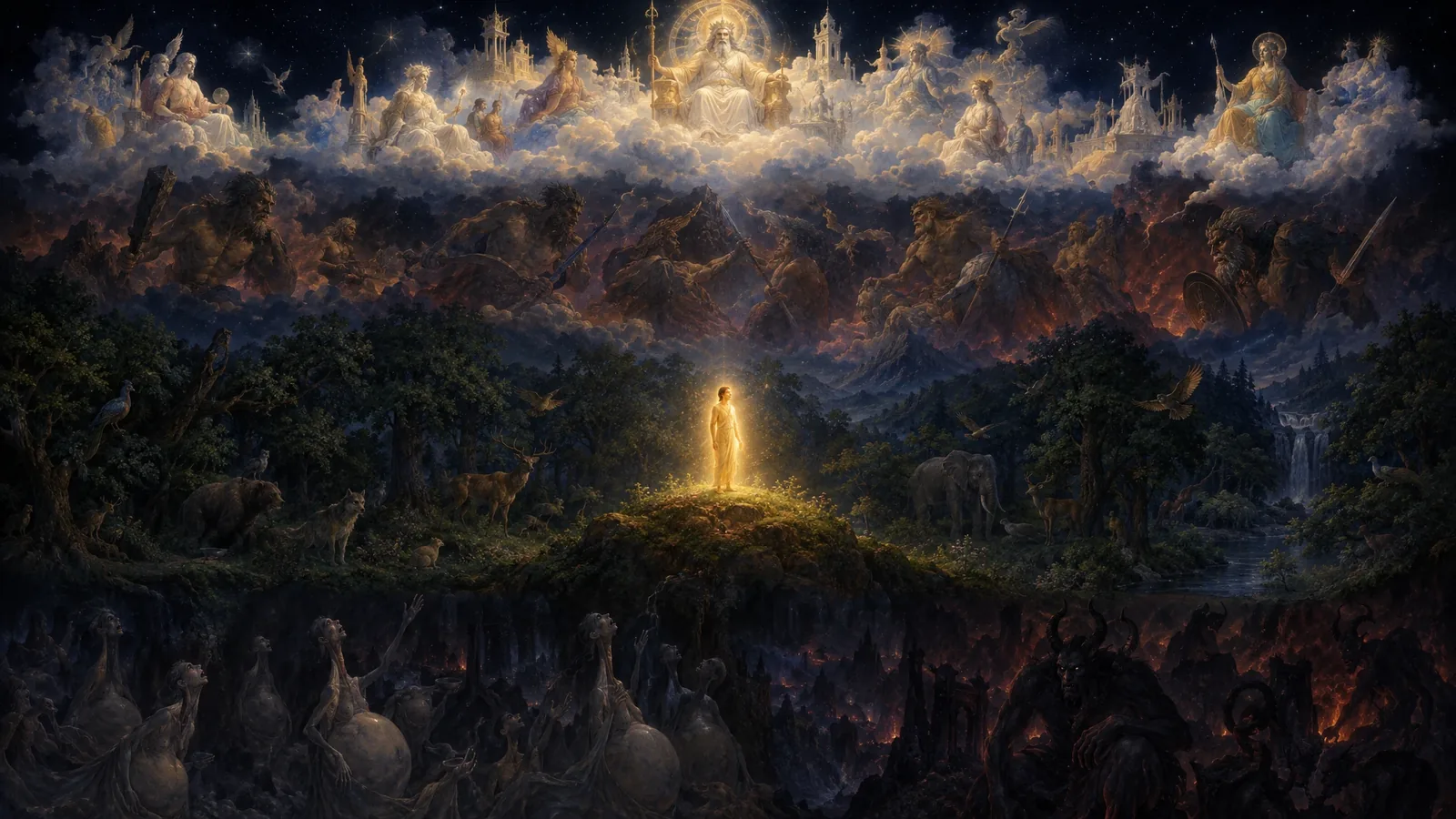
The value of human birth is the first of the reflections that turn the mind toward spiritual practice. In the ancient tradition, the path begins with them: before you practice, you need to understand why.
You are a human being
The fact is that right now you have been born a human being. And this is very valuable and precious.
The question is not about reincarnation. Whether it exists or not is actually not so important. Maybe it does, maybe it doesn’t. Right now you probably have no way to check it.
But the fact is that you are a human being, and you will live this life as a human being.
What makes human life special
A human being has what most living beings do not: a mind that can understand, the freedom to choose, and the ability to change.
An animal lives by instinct. A human being can stop, think about the meaning of their life and choose where to go. That is exactly why human life is the best opportunity for the spiritual path.
Think about other forms of life. A dog, for example. What is its life like? It eats, sleeps, barks, maybe runs around somewhere, relieves itself, and sometimes fights with other dogs. That, in essence, is the whole life of a dog.
But you have a million times more opportunities and freedoms than any animal — and that is a fact.
This is what you have right now. It is very valuable, truly precious.
How rare human birth is
An ancient scripture explains how rare human birth is with the example of a blind turtle.
Imagine that the whole earth is covered with water. A wooden yoke with a single hole is thrown into this water. The winds carry it from east to west, from north to south. And in the depths lives a turtle, blind in one eye, that comes up to the surface once every hundred years.
What is the chance that, when it surfaces, it will put its head right through that hole? Being born a human being is just as rare.
That is how rarely everything comes together the way it has come together for you now.
What the sources say about the value of human birth
Buddhismसेय्यथापि, भिक्खवे, अयं महापथवी एकोदका अस्स। तत्र पुरिसो एकच्छिग्गळं युगं पक्खिपेय्य … तत्रस्स काणो कच्छपो। सो वस्ससतस्स वस्ससतस्स अच्चयेन सकिं सकिं उम्मुज्जेय्य … एवं अधिच्चमिदं, भिक्खवे, यं मनुस्सत्तं लभति।
SEYYATHĀPI, BHIKKHAVE, AYAṂ MAHĀPATHAVĪ EKODAKĀ ASSA. TATRA PURISO EKACCHIGGAḶAṂ YUGAṂ PAKKHIPEYYA … TATRASSA KĀṆO KACCHAPO. SO VASSASATASSA VASSASATASSA ACCAYENA SAKIṂ SAKIṂ UMMUJJEYYA … EVAṂ ADHICCAMIDAṂ, BHIKKHAVE, YAṂ MANUSSATTAṂ LABHATI.
“Suppose, monks, that this whole earth were one mass of water. And a man were to throw into it a yoke with a single hole… And there lived a turtle, blind in one eye, that came up once every hundred years… Just so rare, monks, is it to be born a human being.”
— Pali Canon, “Saṃyutta-nikāya” (“The Connected Discourses”), 56.48: Dutiyachiggaḷayuga Sutta — “The Second Discourse on the Yoke with a Hole” From the bookThe Pali CanonOpen ›
Buddhismकिच्छो मनुस्सपटिलाभो, किच्छं मच्चान जीवितं । किच्छं सद्धम्मस्सवनं, किच्छो बुद्धानमुप्पादो ॥
KICCHO MANUSSAPAṬILĀBHO, KICCHAṂ MACCĀNA JĪVITAṂ / KICCHAṂ SADDHAMMASSAVANAṂ, KICCHO BUDDHĀNAMUPPĀDO
“Hard it is to be born a human being, hard is the life of mortals, hard it is to hear the true teaching, hard is the appearance of Buddhas.”
— Pali Canon, “Khuddaka-nikāya” (“The Minor Collection”), “Dhammapada”, verse 182 From the bookThe DhammapadaOpen ›
Buddhismअत एवाह भगवान् मानुषमतिदुर्लभं । महार्णवयुगच्छिद्रकूर्मग्रीवार्पणोपमं ॥
ATA EVĀHA BHAGAVĀN MĀNUṢAMATIDURLABHAṂ / MAHĀRṆAVAYUGACCHIDRAKŪRMAGRĪVĀRPAṆOPAMAṂ
“That is why the Blessed One said that human birth is extremely hard to obtain — like a turtle putting its head through the hole of a yoke floating on the great ocean.”
— Shantideva, “Bodhicaryāvatāra” (“Entering the Path of the Bodhisattva”), 4.20 From the bookShantideva — Bodhicharyavatara (Entering the Way of the Bodhisattva)Open ›
Sikhismਭਈ ਪਰਾਪਤਿ ਮਾਨੁਖ ਦੇਹੁਰੀਆ ॥ ਗੋਬਿੰਦ ਮਿਲਣ ਕੀ ਇਹ ਤੇਰੀ ਬਰੀਆ ॥ ਅਵਰਿ ਕਾਜ ਤੇਰੈ ਕਿਤੈ ਨ ਕਾਮ ॥ ਮਿਲੁ ਸਾਧਸੰਗਤਿ ਭਜੁ ਕੇਵਲ ਨਾਮ ॥
“You have obtained a human body — this is your chance to meet God. Other deeds are of no use to you: in the company of the holy, praise only the Name.”
— Guru Arjan: “Guru Granth Sahib”, section “Asa”, page 12 From the bookThe Guru Granth SahibOpen ›
Judaismחָבִיב אָדָם שֶׁנִּבְרָא בְצֶלֶם. חִבָּה יְתֵרָה נוֹדַעַת לוֹ שֶׁנִּבְרָא בְצֶלֶם
“Beloved is man, for he was created in the image of God. A special love was made known to him in that he was given to know that he was created in the image.”
— Words of Rabbi Akiva: Mishnah, “Pirqei Avot” (“Ethics of the Fathers”), 3:14 From the bookEthics of the FathersOpen ›
The Bibleוַיִּבְרָא אֱלֹהִים אֶת־הָאָדָם בְּצַלְמוֹ בְּצֶלֶם אֱלֹהִים בָּרָא אֹתוֹ זָכָר וּנְקֵבָה בָּרָא אֹתָם
“So God created man in his own image, in the image of God created he him; male and female created he them.”
— Bible, Old Testament, “Genesis”, 1:27 From the bookThe Bible, New TestamentOpen ›
Islamإِنَّا عَرَضْنَا ٱلْأَمَانَةَ عَلَى ٱلسَّمَـٰوَٰتِ وَٱلْأَرْضِ وَٱلْجِبَالِ فَأَبَيْنَ أَن يَحْمِلْنَهَا وَأَشْفَقْنَ مِنْهَا وَحَمَلَهَا ٱلْإِنسَـٰنُ ۖ إِنَّهُۥ كَانَ ظَلُومًا جَهُولًا
“Lo! We offered the trust unto the heavens and the earth and the hills, but they shrank from bearing it and were afraid of it. And man assumed it. Lo! he hath proved a tyrant and a fool.” (tr. M. M. Pickthall)
— Quran, surah 33 “Al-Ahzab” (“The Clans”), ayah 72 From the bookThe Qur'anOpen ›
How do you use this life?
If this life is so precious, what does your time go to?
Look at your ordinary day: work, phone, worries, entertainment. How much time in it goes to what really matters to you and to your path?
Life is not endless. Every day you have lived will never come back. You don’t need to drop your affairs — it is enough to find a little time every day for what moves you forward.
How often have you thought about where your life is going at all? How often have you thought: “I could have lived this day, or this week, somehow better”?
What the sources say about how to use this life
Hinduismलब्ध्वा सुदुर्लभम् इदं बहुसम्भवान्ते मानुष्यम् अर्थदम् अनित्यम् अपीह धीरः । तूर्णं यतेत न पतेद् अनुमृत्यु यावन् निःश्रेयसाय विषयः खलु सर्वतः स्यात् ॥
LABDHVĀ SUDURLABHAM IDAṂ BAHUSAMBHAVĀNTE MĀNUṢYAM ARTHADAM ANITYAM APĪHA DHĪRAḤ / TŪRṆAṂ YATETA NA PATED ANUMṚTYU YĀVAN NIḤŚREYASĀYA VIṢAYAḤ KHALU SARVATAḤ SYĀT
“Having obtained, after many births, this human body so hard to attain — impermanent, yet granting the highest goal — let the wise one strive without delay for the highest good before death comes: for sense pleasures are available in every birth.”
— “Bhāgavata Purāṇa”, 11.9.29 From the bookSrimad BhagavatamOpen ›
Buddhismमानुष्यं नावमासाद्य तर दुःखमहानदीम् । मूढ कालो न निद्राया इयं नौर्दुर्लभा पुनः ॥
MĀNUṢYAṂ NĀVAMĀSĀDYA TARA DUḤKHAMAHĀNADĪM / MŪḌHA KĀLO NA NIDRĀYĀ IYAṂ NAURDURLABHĀ PUNAḤ
“Having found the boat of the human body, cross the great river of suffering. Fool, this is no time for sleep: this boat will be hard to find again.”
— Shantideva, “Bodhicaryāvatāra” (“Entering the Path of the Bodhisattva”), 7.14 From the bookShantideva — Bodhicharyavatara (Entering the Way of the Bodhisattva)Open ›
Buddhismअप्पमादो अमतपदं, पमादो मच्चुनो पदं।
APPAMĀDO AMATAPADAṂ, PAMĀDO MACCUNO PADAṂ
“Heedfulness is the path to the deathless; heedlessness is the path to death.”
— Pali Canon, “Khuddaka-nikāya” (“The Minor Collection”), “Dhammapada”, verse 21 From the bookThe DhammapadaOpen ›
The Bibleלִמְנ֣וֹת יָ֭מֵינוּ כֵּ֣ן הוֹדַ֑ע וְ֝נָבִ֗א לְבַ֣ב חָכְמָֽה׃
“So teach us to number our days, that we may apply our hearts unto wisdom.”
— Bible, Old Testament, “Psalms”, 90:12 From the bookThe Bible, New TestamentOpen ›
The Bibleכֹּל אֲשֶׁר תִּמְצָא יָדְךָ לַעֲשׂוֹת בְּכֹחֲךָ עֲשֵׂה כִּי אֵין מַעֲשֶׂה וְחֶשְׁבּוֹן וְדַעַת וְחָכְמָה בִּשְׁאוֹל אֲשֶׁר אַתָּה הֹלֵךְ שָׁמָּה
“Whatsoever thy hand findeth to do, do it with thy might; for there is no work, nor device, nor knowledge, nor wisdom, in the grave, whither thou goest.”
— Bible, Old Testament, “Ecclesiastes”, 9:10 From the bookThe Bible, New TestamentOpen ›
The BibleΒλέπετε οὖν πῶς ἀκριβῶς περιπατεῖτε, μὴ ὡς ἄσοφοι, ἀλλ᾽ ὡς σοφοί, ἐξαγοραζόμενοι τὸν καιρόν, ὅτι αἱ ἡμέραι πονηραί εἰσι.
“See then that ye walk circumspectly, not as fools, but as wise, redeeming the time, because the days are evil.”
— Bible, New Testament, “Epistle to the Ephesians”, 5:15–16 From the bookThe Bible, New TestamentOpen ›
Islamأَخَذَ رَسُولُ اللَّهِ صلى الله عليه و سلم بِمَنْكِبِي، وَقَالَ: كُنْ فِي الدُّنْيَا كَأَنَّك غَرِيبٌ أَوْ عَابِرُ سَبِيلٍ. وَكَانَ ابْنُ عُمَرَ يَقُولُ: إذَا أَمْسَيْتَ فَلَا تَنْتَظِرْ الصَّبَاحَ، وَإِذَا أَصْبَحْتَ فَلَا تَنْتَظِرْ الْمَسَاءَ، وَخُذْ مِنْ صِحَّتِك لِمَرَضِك، وَمِنْ حَيَاتِك لِمَوْتِك.
“The Messenger of Allah took me by the shoulder and said: ‘Be in this world as though you were a stranger or a traveler.’ And Ibn Umar used to say: ‘When evening comes, do not wait for the morning, and when morning comes, do not wait for the evening. Take from your health for your sickness, and from your life for your death.’”
— Words of the Prophet Muhammad and Ibn Umar: an-Nawawi, “al-Arbaʿūn an-Nawawiyya” (“The Forty Hadith”), hadith 40 (from the collection of al-Bukhari) From the bookThe Forty Hadith of an-NawawiOpen ›
Islamنِعْمَتَانِ مَغْبُونٌ فِيهِمَا كَثِيرٌ مِنَ النَّاسِ، الصِّحَّةُ وَالْفَرَاغُ
“There are two blessings in which many people are deceived: health and free time.”
— Words of the Prophet Muhammad (narrated by Ibn Abbas): al-Bukhari, “Ṣaḥīḥ al-Bukhārī”, book “To Make the Heart Tender”, hadith 6412 From the bookSahih al-BukhariOpen ›
Spiritual practice is the best thing you can do. If you know that you have done at least five minutes of spiritual practice, you know that you have not lived the day in vain.
The ancient scriptures speak about this even more strictly.
What the sources say about spiritual practice as the most valuable thing in life
Buddhismयो च वस्ससतं जीवे, दुस्सीलो असमाहितो। एकाहं जीवितं सेय्यो, सीलवन्तस्स झायिनो॥
YO CA VASSASATAṂ JĪVE, DUSSĪLO ASAMĀHITO / EKĀHAṂ JĪVITAṂ SEYYO, SĪLAVANTASSA JHĀYINO
“Better than a hundred years lived without virtue and without collectedness is a single day lived by one who is virtuous and meditative.”
— Pali Canon, “Khuddaka-nikāya” (“The Minor Collection”), “Dhammapada”, verse 110 From the bookThe DhammapadaOpen ›
Hinduismनेहाभिक्रमनाशो ऽस्ति प्रत्यवायो न विद्यते । स्वल्पम् अप्य् अस्य धर्मस्य त्रायते महतो भयात् ॥
NEHĀBHIKRAMANĀŚO 'STI PRATYAVĀYO NA VIDYATE / SVALPAM APY ASYA DHARMASYA TRĀYATE MAHATO BHAYĀT
“On this path no effort is lost and there is no harm: even a little of this dharma saves from great fear.”
— “Bhagavad-gītā”, 2.40 From the bookThe Bhagavad GitaOpen ›
The Bibleτί γὰρ ὠφελήσει ἄνθρωπον ἐὰν κερδήσῃ τὸν κόσμον ὅλον, καὶ ζημιωθῇ τὴν ψυχὴν αὐτοῦ;
“For what shall it profit a man, if he shall gain the whole world, and lose his own soul?”
— Bible, New Testament, Gospel of Mark, 8:36 From the bookThe Bible, New TestamentOpen ›
The Bibleζητεῖτε δὲ πρῶτον τὴν βασιλείαν τοῦ Θεοῦ καὶ τὴν δικαιοσύνην αὐτοῦ, καὶ ταῦτα πάντα προστεθήσεται ὑμῖν.
“But seek ye first the kingdom of God, and his righteousness; and all these things shall be added unto you.”
— Bible, New Testament, Gospel of Matthew, 6:33 From the bookThe Bible, New TestamentOpen ›
The Bibleἑνὸς δέ ἐστι χρεία· Μαρία δὲ τὴν ἀγαθὴν μερίδα ἐξελέξατο, ἥτις οὐκ ἀφαιρεθήσεται ἀπ᾽ αὐτῆς.
“But one thing is needful: and Mary hath chosen that good part, which shall not be taken away from her.”
— Bible, New Testament, Gospel of Luke, 10:42 From the bookThe Bible, New TestamentOpen ›
The Bibleכִּי טוֹב יוֹם בַּחֲצֵרֶיךָ מֵאָלֶף
“For a day in thy courts is better than a thousand.”
— Bible, Old Testament, “Psalms”, 84:10 From the bookThe Bible, New TestamentOpen ›
Islamبَلْ تُؤْثِرُونَ ٱلْحَيَوٰةَ ٱلدُّنْيَا وَٱلْـَٔاخِرَةُ خَيْرٌ وَأَبْقَىٰٓ
“But ye prefer the life of the world although the Hereafter is better and more lasting.” (tr. M. M. Pickthall)
— Quran, surah 87 “Al-A‘la” (“The Most High”), ayahs 16–17 From the bookThe Qur'anOpen ›
Islamوَمَا خَلَقْتُ ٱلْجِنَّ وَٱلْإِنسَ إِلَّا لِيَعْبُدُونِ
“I created the jinn and humankind only that they might worship Me.” (tr. M. M. Pickthall)
— Quran, surah 51 “Adh-Dhariyat” (“The Winnowing Winds”), ayah 56 From the bookThe Qur'anOpen ›
How the ancient tradition sees it
The ancient tradition explains what makes human birth precious: the eight freedoms and the ten blessings.
The eight freedoms — you were not born:
- in the hells;
- among the hungry ghosts;
- among animals;
- among the long-lived gods;
- where there is no teaching;
- with wrong views;
- in a time when no great teachers have come into the world;
- with a mind unable to understand the teaching.
You may ask: why is being born a long-lived god not a freedom? The Tibetan tradition explains it this way. The long-lived gods sink for whole ages into a state in which the mind distinguishes nothing and thinks of nothing — like deep, dreamless sleep.
They got there because they took this state for liberation. But when the merit that brought them there runs out, they are born in the lower worlds. While they remain there, they have no opportunity to practice.
Buddhismअट्ठिमे, भिक्खवे, अक्खणा असमया ब्रह्मचरियवासाय। … तयिदं सम्मुखीभूतं, यं लोकस्मिं सुदुल्लभं। मनुस्सपटिलाभो च, सद्धम्मस्स च देसना। अलं वायमितुं तत्थ, अत्तकामेन जन्तुना॥
AṬṬHIME, BHIKKHAVE, AKKHAṆĀ ASAMAYĀ BRAHMACARIYAVĀSĀYA. … TAYIDAṂ SAMMUKHĪBHŪTAṂ, YAṂ LOKASMIṂ SUDULLABHAṂ / MANUSSAPAṬILĀBHO CA, SADDHAMMASSA CA DESANĀ / ALAṂ VĀYAMITUṂ TATTHA, ATTAKĀMENA JANTUNĀ
“There are, monks, eight wrong times for the spiritual life… Now there is before you what is so hard to obtain in the world: birth as a human being and the teaching of the true Dhamma. Whoever wishes for their own good should make an effort here.”
— Pali Canon, “Aṅguttara-nikāya” (“The Numerical Discourses”), 8.29: Akkhaṇa Sutta — “The Discourse on the Wrong Times” From the bookThe Pali CanonOpen ›
The ten blessings. Five of your own:
- you were born a human being;
- where there is a teaching;
- with healthy faculties;
- your way of life does not contradict the teaching;
- you have trust in the teaching.
Five from outside:
- great teachers have come into the world;
- they have taught;
- the teaching has been preserved;
- you yourself have entered this path;
- there is support and there are teachers.
When all of this has come together, that is a precious human birth.
Buddhismक्षणसंपदियं सुदुर्लभा प्रतिलब्धा पुरुषार्थसाधनी । यदि नात्र विचिन्त्यते हितं पुनरप्येष समागमः कुतः ॥
KṢAṆASAṂPADIYAṂ SUDURLABHĀ PRATILABDHĀ PURUṢĀRTHASĀDHANĪ / YADI NĀTRA VICINTYATE HITAṂ PUNARAPYEṢA SAMĀGAMAḤ KUTAḤ
“These freedoms and blessings are so hard to find, and now they have been found — what makes it possible to reach the highest goal of a human being. If you do not take care of your good now, when will all this come together again?”
— Shantideva, “Bodhicaryāvatāra” (“Entering the Path of the Bodhisattva”), 1.4 From the bookShantideva — Bodhicharyavatara (Entering the Way of the Bodhisattva)Open ›
How to do this practice
Do this practice in real life. When you see some creature, ask yourself: what would your life be like if you were that creature?
For example, you see a tree. If you were a tree, how much freedom would you have? Almost none. You stand in one place the whole time until you grow old, and then you fall to the ground and rot.
Or you are walking and you see a bird. What would your life be like? You fly, you eat whatever you can find, you are cold in winter, and others can eat you.
But now you are a human being. You live in comfort and safety, and you have every opportunity. You can study the ancient scriptures, realize the nature of reality and consciously choose where to direct your destiny.
Many other creatures have no such opportunities. Every time you see another creature, reflect on how precious it is that you were born human.
Homework
Every day, as you go about your business, pay attention to the other forms of life around you. Whom do you see? Other people, different animals, trees, flowers. Pay attention to all the life around you — perhaps even to the sun, or to anything that can be life for you.
And think: what would your life be like if you were not a human being, but this very being? If you were a tree — how would you live? Try to feel it.
Compare the possibilities you have now with the ones you would have if you had been born as this being.
When to move on to the next practice?
As we described in the article “How to Progress on the Path”, a practice can be considered complete when it has truly connected with you and become part of you. This means that you have not just understood it, but felt it in your own personal, direct experience. Keep doing the practice until you feel this. Find your own creative approach to the practice.
In this practice, you do not just think that human birth is precious — you really feel inside, in your heart, that it is very, very precious, that it is a very rare chance. You must feel this clearly and understand it from within.
Then you will treat all people as very precious — understanding that every person has a very, very rare opportunity. And it will truly sadden you when people, and you yourself, spend time on absurd nonsense.
For example, you look at your day and see that you spent a whole hour watching TV. Of course, you can watch TV. But it is such a wasted hour! You could have done so many cooler, more valuable and more interesting things.
When you begin to see, feel and understand this, the practice is complete.
Your personal words of power
I suggest that you start creating your own personal words of power, which will help you and inspire you.
Sum up this lesson in one phrase. For example: “My human birth is very precious” — or any other phrase that has meaning for you personally and sums up the idea of this practice.
The phrase should be short and clear, so that you can say it quickly. Later we will add ideas from the next practices to your words of power.
When you reflect, when you do this practice, when insights and understanding come to you, when you see something in life that gives you a new understanding of the value of human birth — say your phrase to yourself. This is how you link your experiences and feelings to it.
For example, you were walking, noticed another creature, imagined yourself as it and realized that, compared with it, your possibilities are almost limitless. Then you say to yourself: “My human birth is very precious” — and you understand the full depth of this realization.
This is how the phrase fills with power. And when you say it, all this power will come back to you at once.
Need help with the practice?
On Patreon you get:
- answers to your questions about the practice
- a study of the sources on your topic
- a private Discord to talk with other practitioners
- live streams and Q&A sessions
- discussions of practices, teachings and traditions
 Join on Patreon